





Epidermal growth factor receptor (EGFR) tyrosine kinase inhibitors (TKIs) are the current first-line therapy for non-small cell lung cancer (NSCLC). Acneiform rash is a common adverse effect of this treatment, leading to treatment interruption and affecting the patients’ quality of life.
MethodsWe conducted a systematic review to assess the role of oral tetracyclines in the prevention of acneiform rash on patients with NSCLC on EGFR TKIs. We conducted a search across Pubmed, Web of Science and Cochrane databases in January 2025. Studies were included if they evaluated prophylactic treatment with oral tetracyclines for acneiform rash in patients with non-small cell lung cancer initiating concomitant epidermal growth factor receptor tyrosine kinase inhibitor therapy.
ResultsTwo of the 7 selected studies found tetracyclines to reduce all-grade rash – doxycycline (74.2% to 57.2%) and tetracycline (75.6–44.5%; p=0.046). Two found tetracyclines did not reduce all-grade rash but were effective in reducing high-grade rash – doxycycline (19–4%; p<0.001) and minocycline (28–12%; p=0.0455). Single-arm studies reported varying rash incidences rates with minocycline (from 44.8% to 68.3%), inferior to those found in the major trials used for comparison (67% and 77.7%).
ConclusionOral tetracyclines appear to reduce the incidence of all-grade acneiform rash or, alternatively, to decrease the incidence of high-grade rash. Preventive treatment for acneiform rash at the initiation of epidermal growth factor receptor tyrosine kinase inhibitor therapy should therefore be considered. Further controlled trials are needed to confirm the efficacy of oral tetracyclines in preventing acneiform rash.
Lung cancer is the 2nd most common type of cancer worldwide, excluding non-melanoma skin cancer, being the leading cause of dead from cancer. Non-small cell lung cancer (NSCLC) is the most common type of lung cancer,1 accounting for nearly 80% of all lung cancer cases, according to the American Lung Association.
A particular group of NSCLC patients exhibit mutations in the epidermal growth factor receptor (EGFR) and these mutations typically occur in exons 18–21 of the tyrosine kinase domain of the receptor. These sensitizing mutations make these EGFR mutated tumours sensitive to the EGFR tyrosine kinase inhibitors (TKIs),1 making this class of drugs the first-line therapy for EGFR mutated NSCLC.
Although this class of drugs is generally well tolerated, it has some important cutaneous adverse effects, such as acneiform rash, xerosis and paronychia2 that can significantly affect the patient's quality of life and lead to dose reduction or in more severe cases, treatment interruption, and have a serious impact on the patients’ prognosis. In several reported trials with different generation EGFR TKIS, more than 50% of the patients were affected by any grade of acneiform rash, and around 15% with grade>3 acneiform rash.3–6 This rash consists of papules and pustules, often pruritic and painful, most commonly appearing on the scalp, face, neck and upper trunk7 1–3 weeks into therapy.8 According to the Common Terminology Criteria for Adverse Event (CTCAE) v5.0, acneiform rash can be categorized into 5 grades. Grades 1–5 vary in terms of percentage of body surface area and associated symptoms. Further details on the grading of acneiform rash can be found in the supplementary data. Acneiform rash has a substantial impact on patients’ psychosocial well-being, significantly reducing quality of life, and may be associated with secondary skin infections. In severe cases (grade≥3), it can lead to dose modifications in approximately 70% of patients and treatment discontinuation in up to 30%.9,10
The mechanism through which this drugs cause skin toxicity can be explained by the presence of EGFR in epithelial tissues, where it functions in normal cellular processes, such as proliferation, differentiation, and development,11 and its inhibition prevents intracellular phosphorylation, inhibiting further signalling cascades, promoting inflammatory processes that lead to cutaneous toxicity.12,13
First-generation EGFR TKIs, such as erlotinib and gefitinib are characterized by their dose-dependent toxicity resulting from the reversible inhibition of wild-type (WT) EGFR.11 The second-generation EGFR TKIs, such as afatinib and dacomitinib, bind irreversibly to EGFR and are associated with a higher incidence rate and severity of adverse events vs the recommended doses of first-generation EGFR TKIs.14 The third generation EGFR TKI, osimertinib, is an irreversible EGFR-TKI and is selective for both EGFR and T790M resistance mutations with activity in the central nervous system (CNS).15 It is known for causing less dermatologic side effects vs 1st- and 2nd-generations, as it spares WT EGFR.11
Reactive and preventive measures can act upon these dermatological adverse effects. Some of the preventive measures stablished in the 2021 ESMO clinical practice guidelines for dermatological toxicities related to anticancer agents include avoiding skin irritation with frequent washing with hot water, anti-acne drugs, disinfectants and excessive sun exposure, skin care measures with alcohol free moisturizers and sun protection products and finally, pharmacological measures with oral tetracyclines such as doxycycline and minocycline and, optionally, concomitant treatment with topical corticosteroids, as their benefit is still under discussion.16 According to these guidelines, these measures reduce the incidence of grade 2 or higher (≥G2) acneiform rash. In this systematic review, we aimed to evaluate the role of prophylactic oral tetracyclines in reducing the incidence of acneiform rash of any grade in patients with non-small cell lung cancer receiving epidermal growth factor receptor tyrosine kinase inhibitors. Secondarily, we assessed the impact of acneiform rash on dose reduction and treatment discontinuation and examined whether prophylactic oral tetracycline therapy influences these outcomes.
MethodsEligibility criteriaThis study included randomized controlled trials (RCTs), prospective open-label trials and single-arm prospective studies The language in which it was written was restricted to English. The search was limited to studies published from 2005 through 2025, as the first scientific evidence supporting the efficacy of epidermal growth factor receptor tyrosine kinase inhibitors in the treatment of non-small cell lung cancer emerged around 2003. Since then, both their clinical use and the body of evidence have evolved substantially. Accordingly, a 20-year time frame was considered appropriate and sufficiently comprehensive for the purposes of this study. The studies were included if they had patients with NSCLC who were about to initiate treatment with EGFR TKIs (erlotinib, gefitinib, afatinib, dacomitinib, osimertinib) and were starting at the same time, a preventive treatment with oral tetracyclines due to the appearance of acneiform rash. Studies in which the primary or secondary endpoint was the incidence of acneiform rash were included, whereas studies evaluating exclusively topical preventive treatments were excluded. The primary outcome assessed was the incidence of acneiform rash of any grade.
Search strategyA search across the scientific databases PubMed, Cochrane and Web of Science was conducted on January 2025, by 2 authors, using the following terms: “(Prophylactic Treatment OR Preventive treatment OR Pre-emptive treatment) AND Epidermal Growth Factor Receptor-Tyrosine Kinase Inhibitor AND (Skin Toxicities OR Acneiform eruption OR Acneiform Rash) AND Non-small Cell Lung Cancer”. Additionally, citations from relevant articles were read as well. A screening phase was conducted by both authors, reading the title and abstract of all extracted articles from the search. From there, all screened articles were assessed for eligibility and were fully read. Those that met the inclusion criteria were included in the review.
Data collectionData extracted from each study included the incidence of acneiform rash of any grade and of grade 2 or higher, for both the control and intervention arms, which were subsequently compared. Three included studies lacked a control arm; therefore, the incidence of acneiform rash of any grade in these studies was analyzed and compared with rates reported in major clinical trials, including ARCHER 105017 and LUX-Lung 8.5 Acneiform rash of any grade was defined as grade 0–5 rash and encompassed various reported terms, including acneiform rash,18 rash/acne,19 skin rash,20 rash and dermatitis acneiform,21 rash/folliculitis,22 and rash.23,24 In addition, data were collected on the proportion of patients who required dose reduction or treatment discontinuation of epidermal growth factor receptor tyrosine kinase inhibitor therapy, as well as intervention characteristics, including oral tetracycline dosage, duration of prophylactic treatment, type of epidermal growth factor receptor tyrosine kinase inhibitor used, and its dosage.
Risk of biasTo assess the quality of included trials 2 different tools were used. The version 2 of the cochrane risk-of-bias tool for randomized trials (RoB 2) was applied to assess the risk of bias of the RCTs and the prospective open-label trials with both control and experimental groups and version 2 of The Risk of Bias Assessment Tool for Nonrandomized Studies (RoBANS 2) for the non-randomized, prospective single-arm trials.
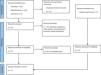
ResultsStudy selectionThe Preferred Reporting Items for Systematic reviews and Meta-Analyses (PRISMA) process was followed and the exclusion of the studies at each stage are shown in the flowchart (Fig. 1). A total of 55 articles were retrieved from this search and 5 more after reading the citations of relevant articles. After reading title and abstract, a total of 47 articles were excluded, 9 articles were fully read and assessed for eligibility and finally 7 were included in the review. The excluded trials25,26 appeared to meet all the inclusion criteria; however, they included both NSCLC and GI cancer patients, and treatment with both EGFR TKIs and anti-EGFR monoclonal antibodies, such as cetuximab, without reporting cancer type-specific results, thereby precluding further analysis.
Included trials
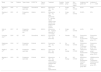
We included a total of 7 trials in our systematic review. All the trials tested for the preventive treatment with oral tetracyclines—4 with minocycline, 2 with doxycycline and 1 with tetracycline—in patients with NSCLC on EGFR TKIS, such as erlotinib, afatinib and dacomitinib. Table 1 illustrates the characteristics of the included studies.
Characteristics of included studies.
| Study | Year | Patients | Type of study | EGFR TKI | Type of cancer | Treatment | Duration (weeks) | Control group | Skin toxicity criteria | Incidence of all-grade rash | Incidence of G≥2 rash |
|---|---|---|---|---|---|---|---|---|---|---|---|
| Iwasaku et al.18 | 2023 | 41 | Prospective open label | Dacomitinib | NSCLC | Minocycline 100mg daily | 8 | Single arm | NCI CTCAE | 68.3% | 26.8% |
| Okajima et al.19 | 2021 | 46 | Prospective study | Afatinib | NSCLC | Minocycline 100mg daily, loperamide 2mg daily, topical medium-class steroids, and gargling with sodium azulene | 4 | Single arm | NCI CTCAE | 50.00% | 20% |
| Ichiki et al.20 | 2017 | 29 | Prospective multicenter trial | Afatinib | NSCLC | Minocycline 50mg twice daily and TJ-14 7.5 daily | 4 | Single arm | NCI CTCAE | 44.8% | 3.4% |
| Lacouture et al.21 | 2016 | 122 | RCT | Dacomitinib | NSCLC | Doxycycline 100mg twice daily | 4 | Placebo | NCI CTCAE | Doxycycline group: 57.2%Control group: 74.2% | Doxycycline group: 16.1%Control group: 31% |
| Deplanque et al.22 | 2016 | 147 | Prospective open label | Erlotinib | NSCLC | Doxycycline 100mg daily | 16 | No therapy | NCI CTCAE | Doxycycline group: 71%Control group: 81% | Doxycycline group: 4%Control group: 19% |
| Arrieta et al.23 | 2015 | 90 | Prospective open label | Afatinib | NSCLC | Tetracycline 250mg twice daily | 4 | No therapy | NCI CTCAE | Tetracycline group: 44.5%Control group: 75.6% | Tetracycline group: 15.5%Control group: 35.6% |
| Melosky et al.24 | 2015 | 150 | Prospective open label | Erlotinib | NSCLC | Minocycline 100mg twice daily versus reactive treatment with topical clindamycin plus hydrocortisone | 4 | No therapy | NCI CTCAE | Minocycline group: 84%Reactive treatment group: 84%Control group: 82% | (G3)Minocycline group: 12%Reactive treatment group: 8%Control group: 28% |
NSCLC, non-small cell lung cancer; NCI CTCAE, National Cancer Institute Common Terminology Criteria for Adverse Events.
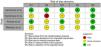
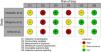
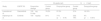
The results of the risk of bias assessment using version 2 of the cochrane risk-of-bias tool for randomized trials (RoB 2) and version 2 of The Risk of Bias Assessment Tool for Nonrandomized Studies (RoBANS 2) are shown in Figs. 2 and 3, respectively.


The studies assessed through RoB2 had an overall low risk of bias. Deplanque et al.,22 Arrieta el al.,23 and Melosky et al.,24 are open-label trials with a higher risk of observer bias. The single-arm studies, assessed through RoBANS2, have inevitably a higher risk of confounding due to the lack of a comparable control group. Furthermore, they have a higher risk of observer bias due to their open label nature.
Synthesis of the resultsIn 4 of the included trials, the incidence rate of all-grade rash was evaluated and compared between the experimental group on preventive therapy with oral tetracyclines for acneiform rash and the control group, without any form of preventive therapy. The prophylactic intervention was initiated at the start of the EGFR TKI therapy in all trials. The duration of prophylactic therapy until the evaluation of skin toxicities varied across trials (from 4 to 16 weeks), and it is showed individually for each trial in Table 1.
Doxycycline in the dosage of 100mg twice daily was effective preventing the acneiform rash in Lacouture et al.21 in patients on dacomitinib, reducing the incidence rate of all-grade rash from 74.2% in the control group to 57.2% in the doxycycline group, and with a relative risk of rash and dermatitis acneiform of 0.62 and 0.39, respectively. The G≥2 rash incidence rate reported in the control group was 31% and in the doxycycline group, 16.1%. In the study by Deplanque et al.,22 among patients receiving erlotinib with prophylactic doxycycline 100mg daily, the difference in the incidence of all-grade rash between the control group and the doxycycline group was not statistically significant (81% vs 71%; p=.18). Doxycycline decreased the rate of severe rash, with an incidence rate of grade 3 (G3) rash of 19% in the control arm and 4% in the doxycycline arm (p<0.001). These results are shown in Table 2.
Reduction in the incidence of acneiform rash with doxycycline.
| All-grade rash | G≥2 rash | |||||
|---|---|---|---|---|---|---|
| Study | EGFR TKI | Doxyxcline dosage | Control group | Doxycycline group | Control group | Doxycycline group |
| Lacouture et al. | Dacomitinib | 100mg 2×/day | 74.2% | 57.2% | 31% | 16.10% |
| Deplanque et al. | Erlotinib | 100mg/day | 81% | 71% (p=0.18) | (G3) 19% | 4% (p<0.001) |
Tetracycline, in the dosage of 250mg administered twice daily reduced the incidence rate of any grade rash (75.6% vs 44.5%; p=0.046) and G≥2 rash (35.6% vs 15.6%; p=0.030) in Arrieta et al.23 in patients on afatinib. These results are shown in Table 3.
Reduction in the incidence of acneiforme rash with tetracycline.
| All-grade rash | G≥2 rash | |||||
|---|---|---|---|---|---|---|
| Study | EGFR TKI | Minocycline dosage | Control group | Minocycline group | Control group | Minocycline group |
| Arieta et al. | Afatinib | 250mg 2×/day | 75.60% | 44.5% (p=0.046) | 35.6% | 15.6% (p=0.030) |
| Jatoi et al. | Gefitinib, Cetuximab, others | 500mg/day | 76% | 70% (p=0.61) | 55% | 17% (p=0.009) |
For minocycline in the dosage of 100mg twice daily, Melosky et al.24 did not find a reduction in the incidence rate of all-grade rash in patients on erlotinib between the prophylactic treatment arm and the control arm (82 vs 84%; p=0.8769). However, the incidence rate of G3 rash was significantly different between the control arm and the prophylactic treatment arm (28% and 12%, respectively; p=0.0455).
Minocycline, 100mg daily was the prophylactic treatment of the single-arm prospective studies included in this review. Prophylactic treatment was initiated at the same time as the EGFR TKI therapy in all these trials. Okajima et al.19 and Ichiki et al.20 assessed prophylactic treatment with minocycline in patients on afatinib. They found incidence rates of all-grade rash of 50% and 44.80%, respectively, and an incidence rate of G≥2 rash of 20% and 3.4%, respectively. The incidence rate of all-grade rash in the Lux-Lung 85 trial was 67% and the incidence rate of G≥2 was 6%. This was a trial with patients with NSCLC on afatinib in whom no prophylactic measures for skin adverse effects were taken.
Iwasaku et al.18 tested prophylactic treatment with 100mg of minocycline in patients on dacomitinib. The incidence rate of all-grade rash was 68,3% (26.8% for G≥2). In the ARCHER 105017 trial, the incidence rate of all-grade rash in patients on dacomitinib and without any form of prophylactic treatment for dermatologic adverse effects was 77.7% (25.3% for G≥2). The results regarding minocycline are shown in Table 4.
Reduction in the incidence of acneiform rash with minocycline.
| All-grade rash | G≥2 rash | |||||
|---|---|---|---|---|---|---|
| Study | EGFR TKI | Minocycline dosage | Control group | Minocycline group | Control group | Minocycline group |
| Melosky et al. | Erlotinib | 100mg 2x/day | 82.00% | 84% (p=0.9769) | (G3) 28% | 12% (p=0.0455) |
| Lux-Lung 8 | ||||||
|---|---|---|---|---|---|---|
| Study | EGFR TKI | Minocycline dosage | All-grade rash | G≥2 rash | All-grade rash | G≥2 rash |
| Okajima et al. | Afatinib | 100mg/day | 50% | 20% | 67% | 6% |
| Ichiki et al. | Afatinib | 100mg/day | 44.80% | 3.4% | ||
| Archer 1050 | ||||||
|---|---|---|---|---|---|---|
| Iwasaku et al. | Dacomitinib | 100mg/day | 68.3% | 26.8% | 77.7% | 25.3% |
Furthermore, dose reduction and treatment discontinuation were analyzed across the studies and the data is shown in Tables 5 and 6. The available data were somewhat heterogeneous. In 3 randomized clinical trials,22,23 information on dose reductions was reported for both the control and intervention groups, without specification of the underlying cause. Dose reduction was higher in the control group vs the experimental group in Deplanque et al.22 [43% vs 25% (p=0.02)]. In Arrieta et al.,23 however, dose reduction was lower in the control group vs the experimental group [46.6% vs 53.4% (p=0.378)], as well as in Lacouture et al.21 (24.2% vs 28.8%). In the study by Melosky et al.,24 the percentages of dose reduction and treatment discontinuation were not reported. In the single-arm studies, we found that in Iwasaku et al.,18 dose reduction occurred in 19.5% of patients due to skin toxicities, and in 14.6% of these due to acneiform rash. In the study by Okajima et al.,19 dose reduction occurred in 58.7% of patients for all causes, with 13% attributable to acneiform rash. In the study by Ichiki et al.,20 an overall dose reduction rate of 62% was reported, without further specification.
Results of dose reduction and treatment discontinuation of single-arm studies.
| % Dose reduction | ||||
|---|---|---|---|---|
| Overall (n) | Due to skin toxicities (n) | Due to acneiform rash (n) | Treatment Discontinuation | |
| Iwasaku et al. | – | 19.5% (8) | 14.6% (6) | 22.2% (9) |
| Okajima et al. | 58.7% (27) | – | 13% (6) | 13% (6) |
| Ichiki et al. | 62% (18) | – | – | – |
Results on dose reduction and treatment discontinuation of RCTs.
| % dose reduction (n) | % Treatment discontinuation (n) | |||
|---|---|---|---|---|
| Control group | Experimental group | Control group | Experimental group | |
| Lacouture et al. | 24.2% (16) | 28.8% (19) | 22.7% (15) | 18.2% (12) |
| Deplanque et al. | 43% | 25% [p=0.02] | – | – |
| Arrieta et al. | 46.6% | 53.4% [p=0.378] | – | – |
Data of treatment discontinuation was available in Iwasaku et al.,18 occurring in 22.2% of patients due to disease progression; in Okajima et al.,19 occurring in 13% of patients due to G4 transaminase elevation, G3 ileitis, G2 paronychia, G2 decrease appetite and G2 diarrhoea, and in Lacouture et al.21 occurring in 22.7% of patients from the control group and 18.2% of patients from the experimental group, without specification of the cause.
DiscussionSummary of evidenceThis systematic review included a total of 7 trials, all testing for the prevention of skin toxicities with oral tetracyclines in patients with NSCLC on EGFR TKIs.
Among the 4 trials comparing a control arm with an oral tetracycline arm, 2 demonstrated a significant reduction in the incidence of all-grade rash with oral tetracyclines. In the remaining 2 trials, the difference in all-grade rash incidence between groups was not statistically significant; however, prophylactic treatment was associated with a reduced incidence of severe rash. All comparative trials reported oral tetracyclines to be well tolerated. In the single-arm studies, the overall incidence of all-grade rash was lower than that reported in the major comparator trials, ARCHER 105017 and LUX-Lung 8.5 Oral tetracyclines were also well tolerated in these studies.
Regarding dose reduction and treatment discontinuation, the heterogeneity of the results makes it difficult to analyze any possible patterns.
We can state that there is a significant percentage of patients who undergo dose reduction when on EGFR TKIs and an important part is due to skin toxicities, such as acneiform rash. Thus, dose reduction is a real issue with this therapy. Regarding the impact of tetracyclines in dose reduction, one trial found that the group exposed to oral tetracyclines had less dose reductions and 2 found the control group to have less dose reductions, so we cannot securely state that oral tetracyclines reduce the percentage of dose reduction in these patients.
Treatment discontinuation is also an important issue. It occurs in a significant percentage of patients. In our review, 1 trial found that in patients on prophylactic treatment with oral tetracyclines there was a smaller percentage of treatment discontinuation vs the control group.
When a patient is starting treatment with an EGFR TKI, the possibility of developing a rash, and even a severe rash is >50% and 15% respectively. Reducing the chances of this event should be a priority for the physician since these adverse effects have such an impact on patients’ lives and can strongly affect treatment adherence. Taking into consideration that oral tetracyclines are well tolerated by patients, starting an oral tetracycline concomitantly with EGFR TKI treatment should be considered by their physicians.
LimitationsThis study is a systematic review without meta-analysis, which has on its own several limitations. A meta-analysis was not performed because of heterogeneity in the extracted data and insufficient data for pooling. This decision inevitably limited the statistical power of the review – a qualitative analysis was performed, making it harder to identify overall trends or even the size of the effects across the studies. The studies included had different outcome measures and different primary and secondary endpoints, making it challenging to draw definitive conclusions; our interpretation is more prone to bias vs a meta-analysis, since conclusions depend on a qualitative assessment rather than statistical aggregation; there is no formal assessment of heterogeneity without the meta-analysis that could provide this assessment through statistical tests such as I2; publication bias was not assessed either; finally, without the meta-analysis it is harder to generalize our conclusions, making it harder for physicians to rely on them.
Moreover, our trials assessed prophylactic treatment with different oral tetracyclines – 4 with minocycline, 2 with doxycycline and 1 with tetracycline-, and the dosage of each antibiotic also deferred from minocycline – 50mg twice daily, 100mg daily and 100mg twice daily-, doxycycline – 100mg daily and 100mg twice daily-, and tetracycline 250mg twice daily. This heterogeneity makes it difficult to assess the true preventive effect of oral tetracyclines, producing confounding by type of tetracycline and its dosage and performance bias.
Furthermore, 3 of our included studies were single-arm prospective studies, and we have no control group to draw comparisons and conclusions. We qualitatively analyzed and compared the incidence rate of all-grade rash with major trials such as ARCHER105017 and Lux-Lung 8.5 The absence of direct comparisons limits the ability to attribute differences in rash incidence solely to the intervention rather than to potential confounding factors, such as patient characteristics. Moreover, comparisons with major trials may involve dissimilar populations, which could influence outcome incidence and result in overestimation or underestimation of the effect of prophylactic oral tetracycline treatment.
Aside from dose reduction and treatment discontinuation, the impact on QoL would have been an interesting parameter to analyze. However, only 2 of our studies had QoL data, which is the reason why we decided to not include this parameter. Regarding dose reduction and treatment discontinuation, the heterogeneity of the collected data did not allow us to draw clear conclusions.
In addition, in our search we did not find any study or trial testing for the preventive therapy of acneiform rash or any form of skin toxicity in patients on osimertinib, which is currently the first-line therapy for EGFR mutated NSCLC.
There is, however, an ongoing phase II trial27 assessing the impact of enhanced management of patients on oral tetracyclines – doxycycline and minocycline – on first-line amivantamab, an anti-EGFR and anti-MET antibody that seems to have an even bigger risk of skin toxicity.
ConclusionsAcneiform rash is among the most common side effects of EGFR TKI therapy, affecting the patients’ quality of life and leading to dose reduction or even treatment discontinuation when the rash is severe. Oral tetracyclines, which are generally well tolerated, appear to reduce the incidence of all-grade rash or, alternatively, to decrease the incidence of high-grade rash. Preventive treatment for acneiform rash at the initiation of epidermal growth factor receptor tyrosine kinase inhibitor therapy should therefore be considered.
The 2021 ESMO clinical practice guidelines on the management of dermatological toxicities associated with anticancer therapies shed light on the importance of addressing this issue when initiating therapy with EGFR TKIS, stating that these measures can decrease the incidence rate of G>2 rash.16 Given the heterogeneity of the included trials and their results, further investigation through prospective, controlled studies is needed to clarify the role of prophylactic oral tetracyclines in reducing the incidence of all-grade rash and to inform the development of robust guidelines and protocols for the prevention of skin toxicity, thereby supporting broader implementation of these preventive measures.
Furthermore, we acknowledge that more recent studies on the upcoming and first-line therapies are required to confirm the safety and efficacy profile of oral tetracyclines in the prevention of acneiform rash, as well as its impact on the percentage of dose reduction and treatment discontinuation.
Authors contributionRita Sousa: The study concept and design; writing of the manuscript or critical review of important intellectual content; critical review of the literature; final approval of the final version of the manuscript.
Bárbara Vieira Granja: Intellectual participation in the propaedeutic and/or therapeutic conduct of the studied cases; critical review of the literature; final approval of the final version of the manuscript.
Sofia Magina: Intellectual participation in the propaedeutic and/or therapeutic conduct of the studied cases; critical review of the literature; final approval of the final version of the manuscript.
Financial supportNone declared.
Conflicts of interestNone declared.
The followings are the supplementary data to this article: